Your shopping cart is empty.
There was an error retrieving your cart. Please try again later.
For facility managers, balancing cleanliness with limited staffing and resources is increasingly challenging. Inconsistent mop-and-bucket cleaning can leave neglected areas vulnerable to mildew and pollutants, or even risk noncompliance with health department standards. For multi-location businesses, maintaining consistent cleaning practices and upkeep from store to store can create an uneven brand experience that can impact future sales. 68% of Americans say dirty floors would cause them to have a negative perception of a business1.
57%
cite dirty
entryways
56%
notice dirty mops
being used
51%
point to dirty
windows and glass
51%
call out poorly
maintained parking lots
Imagine a customer walking into your facility for the first time. How do the floors look? Are they bright, shiny, and free of debris and scuffs? Are they inviting and instill a sense that the customer will be cared for? A clean floor is more than an appearance; it’s a message to consumers that you care about their experience. It displays that, as a company, you care about the details from the ground up. More and more professional surveys indicate that store cleanliness directly affects a customer’s patronage. If your floors aren’t reflecting your standards, or anything at all because they’re too dirty, it might be time to reevaluate your cleaning practices.
Three Factors to Consider When Enhancing Your Facilty's Floor Cleaning Best Practices
1. Who will be doing the cleaning?
In-house staff has been the traditional choice, but hour restrictions, availability, and individual worker ability can impact whether this path is the right fit.
A third-party cleaning service at regular intervals. This reduces stress on native staff and allows cleaning to occur during non-operational hours to minimize disruption.
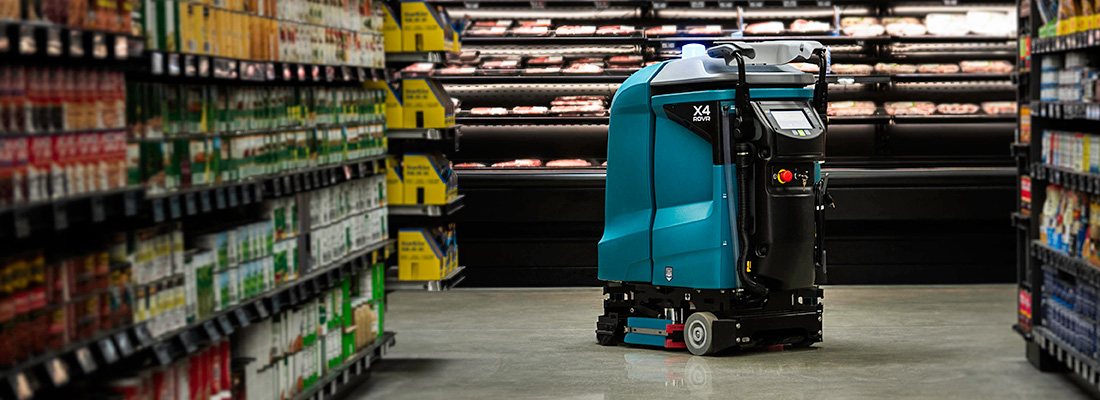
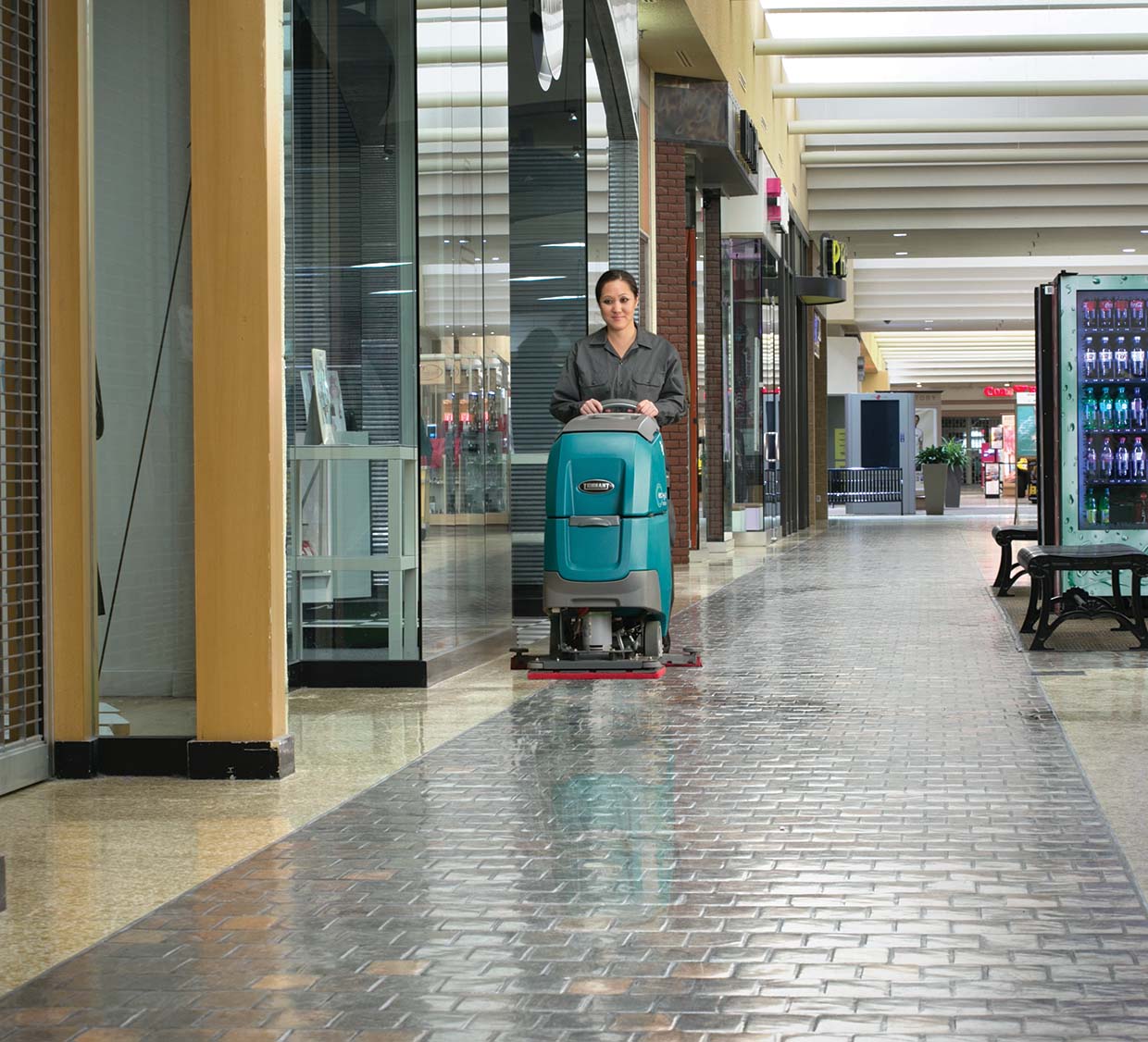
A hybrid model using walk-behind, ride-on, or autonomous floor scrubbers alongside in-house staff. This allows robotic floor scrubbers to handle large-scale, repetitive cleaning, delivering a more consistent, high-quality result while freeing staff to focus on high-touch, detailed tasks.
2. What equipment is needed?
If choosing the in-house staff approach, it’s important to consider the procurement process and associated costs for chemicals, tools, gloves, mops, buckets, and other materials needed. Protocols for equipment operating assessments, repairs, and supply replenishment should also be established.
If going with a third-party option, it’s important to understand what is being provided by the service provider and that the chemicals and equipment they are using are compliant and safe to use on your facility's floors and surfaces.
If choosing the hybrid route, conduct a thorough cost-benefit analysis of the investment in walk-behind, ride-on, or robotic floor scrubbers and how they can contribute to improved efficiencies and greater consistency to your facility's floor cleaning best practices.
3. What are the impacts of your cleaning method?
Consider the impacts harsh cleaning chemicals have on your indoor air quality.
Be aware of cleaners and chemicals that give off harsh fumes or fragrances that can cause headaches or scent sensitivities.
Evaluate the adoption of chemical-free floor cleaning solutions.
Assess what practices and protocols can incorporate green practices or aid in LEED-certified buildings.
With 64% of consumers ranking sustainability as a top-three value driver across product categories, and 71% considering environmental sustainability important, explore implementing machines and processes that minimize water waste and pollution to support ethical and sustainable goals2.
By adopting mechanized floor cleaning technologies, organizations of all sizes and industries can quickly create a standout cleaning experience. Clean becomes a powerful competitive differentiator, improving efficiency, boosting productivity, and enhancing your floor cleaning best practices.
A few more considerations when reevaluating best practices for floor cleaning.
Mats go a long way. Entryway mats both in front of and behind doors trap dirt and prevent it from entering the building. Approximately 85%3 of all dirt being tracked in by foot gets stopped by entrance matting so it does not spread throughout the building. This allows for less dusting, mopping, vacuuming and grout cleaning in your facility.4
Proper matting reduces smudges, mud, and moisture, while also providing traction in wet conditions.
Invest in quality sealants or waxes compatible with your specific floor-cleaning equipment to lock in cleanliness and maintain floor longevity.
About Tennant
Tennant offers extensive expertise in creating clean and safe environments for employees and visitors, providing clear, industry-specific cleaning insights. Contact us to schedule a demonstration of our technologies or call 1-800-553-8033 for more information.
Sources
1 Cintas Corporation. “Cintas commissioned survey confirms dirty restrooms impact Americans’ perception of a business,” December 2021, https://visualizer.cintas.com/news/press-releases/cintas-commissioned-survey-confirms-dirty-restrooms-impact-americans-perception-of-a-business/
2 Tim Verbeek. Simon-Kucher & Partners, “Sustainability's new normal: What 2024 consumers expect,” June 12, 2024, https://www.simon-kucher.com/en/insights/sustainabilitys-new-normal-what-2024-consumers-expect
3 Regional Distributors, Inc., “A Guide To Preventative Matting: Your First Line of Defense,” March 9, 2022, https://blog.regdist.com/preventative-floor-matting-guide
4 Jeff Cross, ISSA, “Show Me The Science: The Impact of Floors on Indoor Air Quality & Health,” May 31, 2022, https://www.issa.com/articles/show-me-the-science-the-impact-of-floors-on-indoor-air-quality-health/